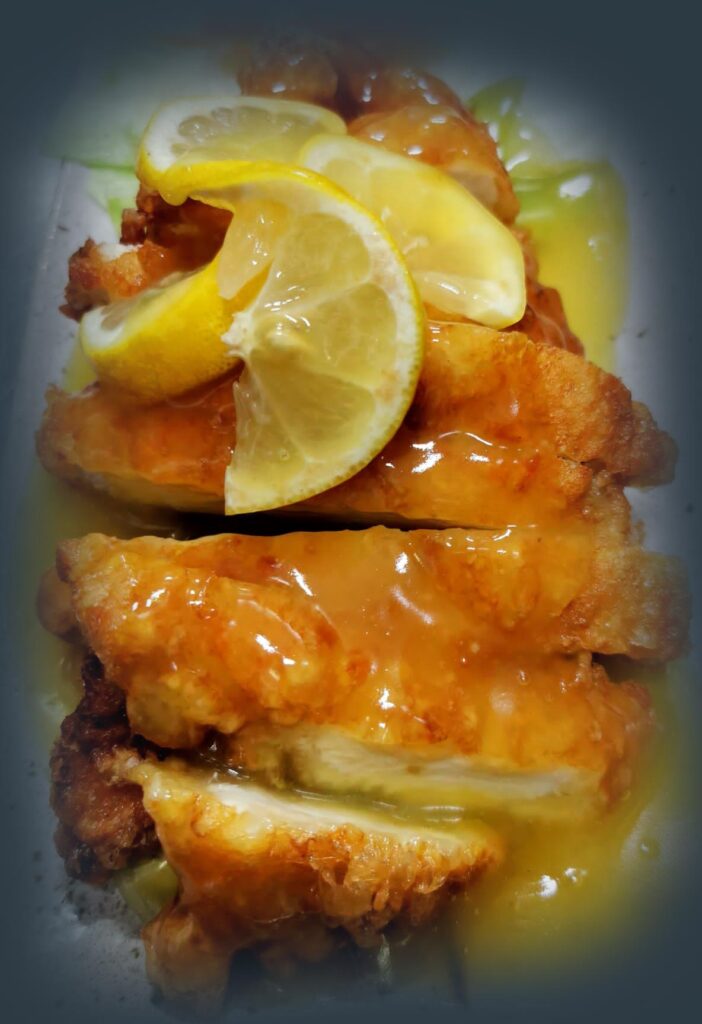
Chinese food in ethnic cuisines has long ranked high, and the reasons are simpler than they look.
Chinese food has long ranked high on the list of favourite ethnic cuisines. Of course, restaurant offerings do try to reflect the traditional daily fare eaten in China. Some popular but, perhaps, less healthy menu items — such as pork spare ribs and fried dough sticks — should be reserved for the occasional indulgence. Still, you can find lots of healthy options when dining out at a Chinese restaurant.
In general, traditional Chinese cooking has a lot of merit, and many staple foods, such as vegetables, tofu, and seafood, are all linked to a lower risk of cardiovascular disease. So are the unsaturated oils (such as canola, soy, or peanut oil) frequently used to prepare Chinese dishes.
Perhaps you’re familiar with stir-fries made with broccoli or bok choy (Chinese cabbage). But you may want to branch out and try snow pea leaves (also called pea shoots), which are delicate, slightly bitter greens. Bitter melon, which looks like a long, pale-green, rough-textured cucumber, is especially rich in vitamin A, potassium, and folate..
Asian restaurants also often have a large selection of whole fish, such as hake, grouper, or sea bass, which are often prepared steamed with ginger and scallions. Shellfish such as shrimp, clams, and mussels are good sources of protein and other nutrients; they’re usually steamed or stir-fried, either alone or with vegetables. Shellfish are also far more environmentally friendly to farm than other animal-based protein sources such as beef, pork, and poultry.
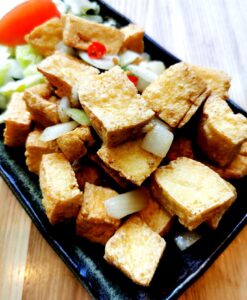
Soybean curd (tofu) is another healthy, versatile protein common in the Chinese diet.
Ask anyone raised in a British city what they ate as a child and the answer usually includes a Chinese takeaway. It is one of the few cuisines that crossed every income bracket and every generation without losing its identity on the way.
The reason is partly familiarity and partly range. A Cantonese kitchen and a Sichuan one can share a vocabulary of techniques while tasting nothing alike, so the same cuisine keeps offering something new without ever feeling unfamiliar.
It also travels well. Stir-frying, steaming and braising all work with locally available ingredients, which is why Chinese cooking took root in port cities from Liverpool to Lima and adapted rather than copied. Edinburgh is a small version of that story: a kitchen here can cook with Scottish beef, local greens and the same sauces a cook would use in Guangzhou.
That adaptability is why Chinese food sits so comfortably in the ethnic cuisine bracket without being confined by it. The food changes with the city, and the city changes what it orders.
There is a practical side to this as well. Chinese restaurants were among the first in Britain to offer a full meal at a price a family could repeat weekly, and to offer it late. That combination of value, speed and choice is what turns a novelty into a habit, and a habit into something a city stops noticing because it is always there.
The food on the plate changed with the audience, of course. Dishes were sweetened, sauces thickened, and vegetables added to suit a British palate, which is exactly what Chinese cooking has done everywhere it has travelled. Arguing about whether that is authentic misses the point: the technique stayed, the ingredients adapted.
That is why the cuisine still ranks as highly as it does. It never asked to be treated as exotic. It turned up, cooked well, charged fairly and let the food do the talking.
Come and taste it
Jimmy’s Express, 45 South Bridge, Edinburgh. Open noon until half nine, every day.